
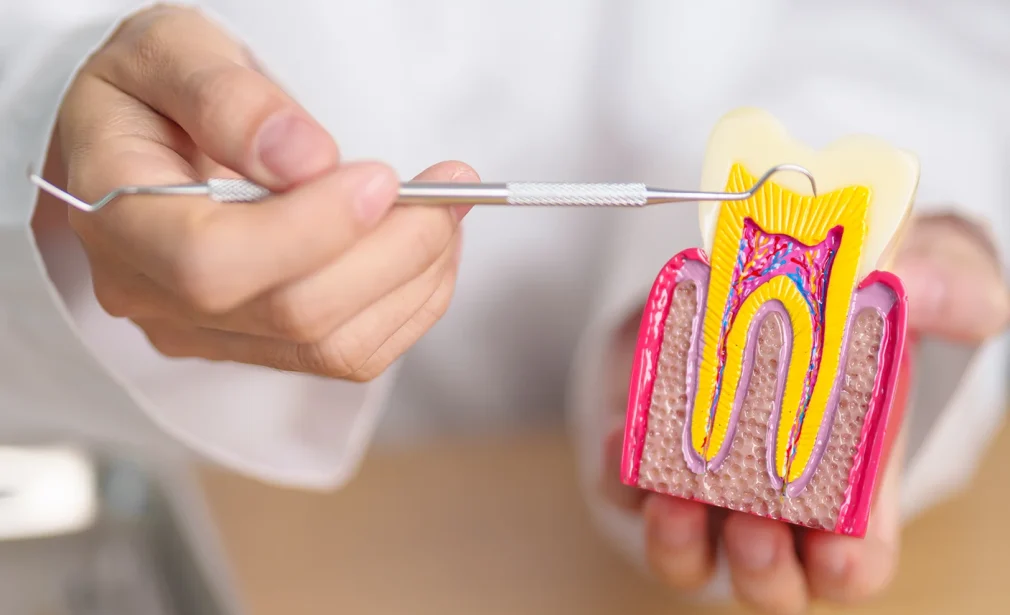
Periodontology: The Cornerstone of Dental Implant Success
Periodontology, a specialised field within dentistry, focuses on the health of the gums and supporting structures of the teeth, including the jawbone, periodontal ligaments, cementum, and alveolar bone. Periodontists in Istanbul are experts in diagnosing, treating, and preventing gum diseases, which are a major cause of tooth loss in adults.
Gum disease, also known as periodontal disease, is an inflammatory condition caused by bacterial infection in the gums. In its early stages (gingivitis), the gums may appear red, swollen, and bleed easily. If left untreated, it can progress to periodontitis, a more severe form in which the infection spreads deeper, affecting the bone and ligaments that support the teeth. This can lead to tooth loosening and eventual loss.
Periodontists employ various treatments to manage gum disease, ranging from non-surgical procedures such as scaling and root planing (deep cleaning) to surgical interventions like gum grafts and bone regeneration. Additionally, they emphasise preventive measures, including regular dental check-ups and cleanings, proper oral hygiene practices, and lifestyle modifications to reduce the risk of gum disease and maintain optimal oral health.
Common gum diseases and treatment methods related to periodontology are as follows:
- Gingivitis: Gingivitis is a gum disease in which the gums become inflamed. It is caused by the accumulation of dental plaque and presents with symptoms such as redness, swelling, and bleeding of the gums. Treatment typically involves thorough gum cleaning, regular tooth brushing, flossing, and professional dental cleaning.
- Periodontitis: Periodontitis is an advanced form of gum disease, characterised by the progression of gingivitis to the supporting tissues of the teeth. Gum pockets develop, gums recede, and bone loss can occur. Treatment may include professional teeth cleaning, deep cleaning of gum pockets (scaling and root planing), antibiotics, and, if necessary, surgical intervention.
- Gum reconstruction: In cases of severe gum recession, surgical procedures can be performed to reconstruct the gum tissue. These procedures correct the gum line and achieve an aesthetic appearance by using gum tissue or various tissue grafts.
Periodontal Treatment for Dental Implants: Ensuring a favourable periodontal condition is essential for the successful placement of dental implants. Periodontology specialists make certain that the gum and bone tissue surrounding the implants are healthy. If necessary, periodontal treatment may be required prior to implant placement.
Periodontal treatments are individualised depending on the patient’s gum condition, the severity of the disease, and overall oral health. The periodontist can determine the most appropriate treatment plan to maintain and improve gum health. Regular dental visits are also important for the prevention and management of periodontal diseases.
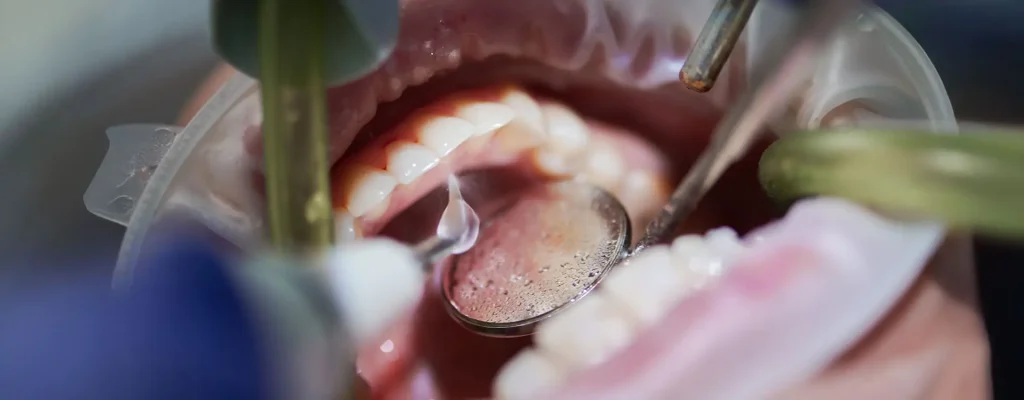
The success and longevity of dental implants rely heavily on the health of the surrounding gum and bone tissues. Periodontists in Istanbul, Turkey, specialise in diagnosing, treating, and preventing gum diseases, making them essential partners in implant dentistry. Before implant placement, a periodontist will thoroughly assess the patient’s oral health, identifying any existing gum disease or bone deficiencies.
If necessary, periodontal treatment may be recommended prior to implant surgery. This can involve non-surgical procedures such as scaling and root planing to remove plaque and tartar, or more extensive treatments like gum grafting or bone regeneration. By addressing these issues beforehand, periodontists create an optimal environment for implant placement, promoting successful osseointegration and long-term implant stability.
Post-implant placement, periodontists continue to play a crucial role in maintaining the health of both the gums and implants. Regular check-ups and cleanings are essential to monitor for any signs of inflammation or infection, ensuring early detection and prompt treatment of any complications. This proactive approach helps safeguard the investment in dental implants and ensures a lasting, healthy smile.
Yes, if left untreated, periodontal disease can progress to a stage where the supporting bone and ligaments around your teeth are severely damaged. This can lead to tooth mobility and, eventually, tooth loss. Early detection and treatment are crucial to prevent this progression. With proper care and timely intervention, periodontists can manage gum disease and help preserve your teeth and overall oral health.