
Dental Prosthesis Treatments
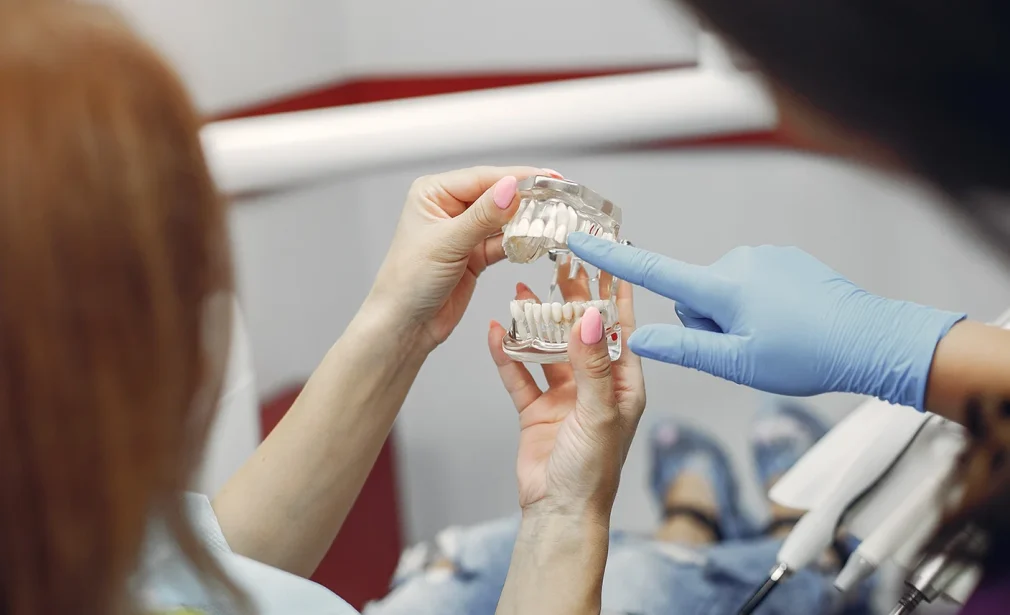
Dental prosthetics in Istanbul offer patients a combination of high-quality care and competitive pricing. Prosthetic procedures encompass a wide range of dental treatments in which artificial teeth are used to replace missing teeth or complete incomplete dentition. These procedures aim to restore not only the aesthetic appearance of your smile but also essential functions such as chewing, speaking, and maintaining proper jaw structure. Dentures are a common type of prosthetic device and come in various forms. Full dentures replace an entire arch of missing teeth, while partial dentures fill gaps when some natural teeth remain.
Furthermore, modern advancements in dental technology have made implant-supported dentures available, providing greater stability and a more natural feel compared to traditional removable dentures. Here are some commonly used prosthetic procedures:
- Fixed Dentures: Fixed dentures are non-removable artificial teeth used to replace missing teeth. The most common fixed prostheses include crowns, bridges, and dental implants. Crowns are used to cover a single tooth, while bridges are used to replace multiple consecutive teeth. Dental implants are prosthetic teeth anchored on artificial roots placed in the jawbone.
- Removable Dentures: Removable dentures are artificial teeth that replace missing teeth but can be taken out and worn by the patient. Full dentures are used to replace an entire set of teeth, while partial dentures replace missing teeth and are supported by the remaining natural teeth.
Dental Prosthetics in Istanbul, Turkey: Quality, Affordability, and Personalisation
Dental prosthesis in Turkey offers patients a combination of quality care, competitive pricing, and the benefits of personalised treatment. Prosthetic procedures are meticulously customised according to the patient’s unique tooth and jaw structure, the extent of missing teeth, and individual preferences. The process often involves several steps, beginning with a thorough examination of the patient’s oral structure and gums by a dentist or prosthodontist (a specialist in dental prosthetics).
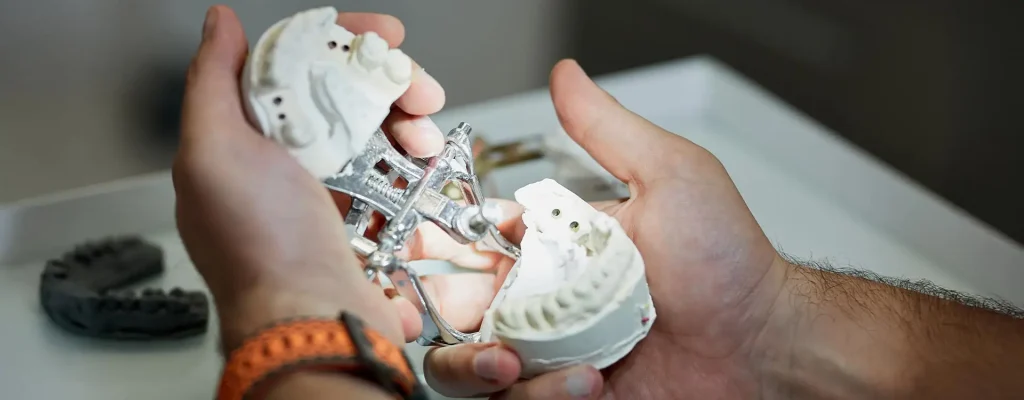
Impressions of the teeth are taken to ensure a precise fit for the prosthesis, which is then meticulously crafted in a dental laboratory by skilled technicians. Throughout this process, the dentist or prosthodontist collaborates closely with the patient to determine the most appropriate denture solution. This personalised approach ensures that the final prosthesis not only meets the patient’s functional needs, such as comfort and ease of use, but also fulfils their aesthetic expectations, enhancing their overall appearance and boosting their confidence. By paying careful attention to detail and incorporating the patient’s preferences, the dental team aims to deliver a high-quality, customised prosthetic that seamlessly integrates into the patient’s oral health and lifestyle.
Remember, the longevity and optimal function of your dentures depend on proper care and maintenance. It’s important to clean your dentures correctly and diligently to prevent the buildup of bacteria and plaque. Your dentist will guide you on the best cleaning techniques, which may include specialised denture brushes, soaking solutions, and avoiding harsh abrasive cleaners. Additionally, regular check-ups with your dentist are crucial, even after receiving your dentures. They will assess the fit, identify any potential wear and tear, and ensure your oral health remains in excellent condition. By following your dentist’s recommendations, you’ll enjoy the benefits of your restored smile for years to come.
A dental prosthesis may be the right solution if you’re missing one or more teeth, or if your teeth are significantly damaged or decayed. Your dentist will conduct a thorough examination, including X-rays and impressions, to assess your specific needs. They will also discuss your preferences regarding the appearance and comfort of your new prosthesis. Depending on your situation, your dentist will recommend the most suitable treatment option, such as crowns, bridges, implants, or dentures.
Fixed dentures are permanent artificial teeth that are securely placed in the mouth, often using dental implants or a bridge. These prostheses do not need to be removed for cleaning and provide a more stable and natural feel. Removable dentures, on the other hand, can be taken out of the mouth for cleaning and maintenance. They are commonly used to replace missing teeth and are designed to rest on the gums or remaining natural teeth. Both types of dentures restore functionality and appearance but differ in terms of permanence and care requirements.
Implant-supported dentures are a more advanced option compared with traditional removable dentures. They are anchored to dental implants surgically placed in the jawbone, providing greater stability and a more natural fit. Unlike traditional dentures, which may shift or require adhesives, implant-supported dentures remain securely in place, allowing for improved comfort, function, and confidence. They also help prevent bone loss in the jaw, which can occur when teeth are missing.
Proper care is essential to ensure the longevity and functionality of your dentures. To clean them, use a denture brush and mild soap or a specialised cleaning solution. Avoid using regular toothpaste, as it can be abrasive and cause damage. Be sure to remove your dentures at night to give your gums a rest, and soak them in a cleaning solution to prevent them from drying out. Regular visits to your dentist will help maintain the fit and condition of your dentures.
Yes, you can eat with dentures, but it may take some time to adjust. Initially, you may want to avoid hard or sticky foods until you become accustomed to wearing them. Start by cutting food into smaller pieces and chewing slowly. Over time, you will gain confidence in your ability to chew and speak with dentures. Your dentist will provide tips to help you adjust and maintain proper function while eating.
Regular check-ups are essential to ensure your dental prosthesis continues to fit well and functions optimally. Your dentist will check for any signs of wear, discomfort, or damage and make adjustments as necessary. Even if your prosthesis feels comfortable, it is important to have your dentist evaluate it periodically, as changes in your mouth and jaw can affect its fit. Typically, a visit every 6–12 months is recommended to maintain your oral health and the longevity of your prosthesis.